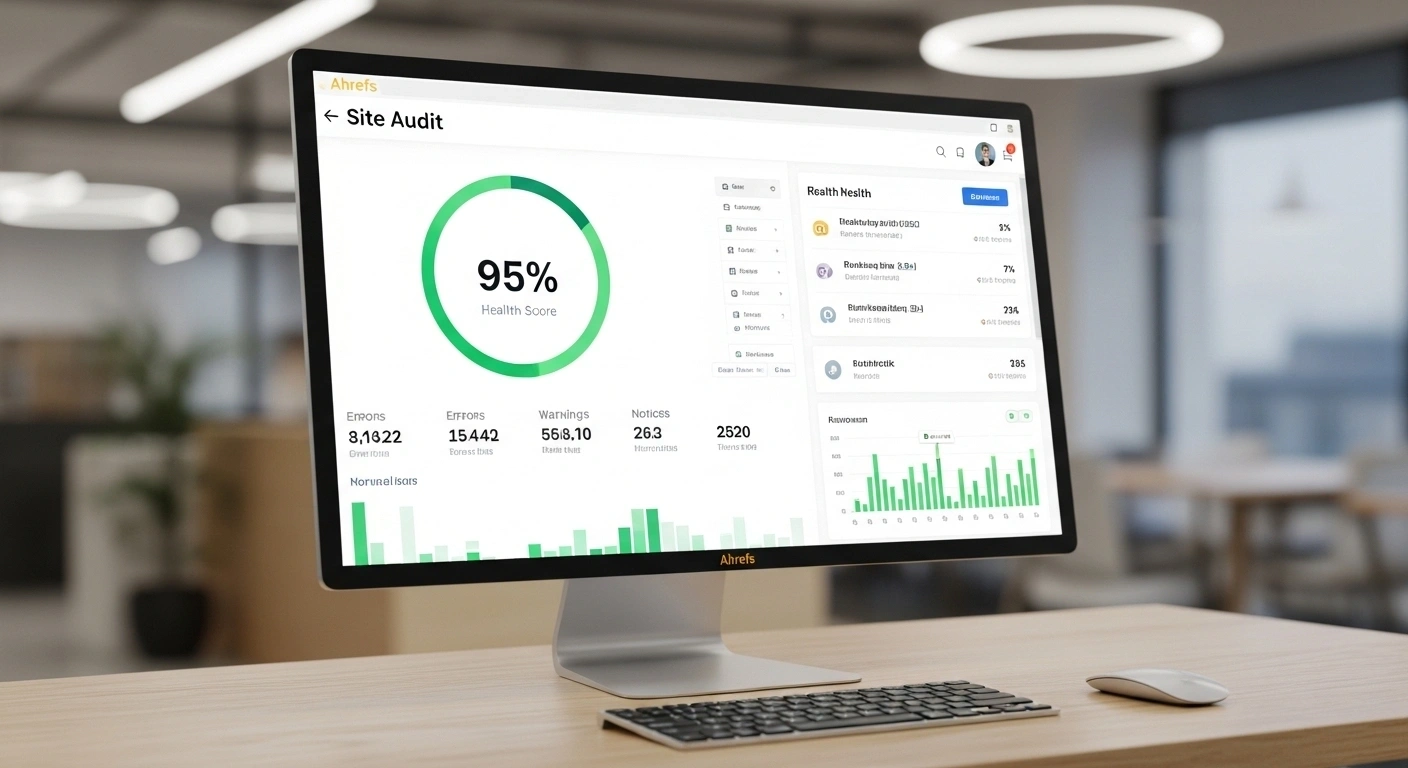
Page Authority (PA) vs Domain Authority (DA)
 vs Domain Authority (DA).webp)
Navigating the complex world of digital marketing requires a solid grasp of how search engines rank your content. Many website owners often confuse the metrics used to measure site strength.
Understanding the difference between page authority vs domain authority is a vital step for any modern SEO strategy. These scores act as indicators of how well your site might perform in search results.

When you improve these scores, you directly influence your search engine visibility. Higher rankings make it much easier for potential customers to find your business online.
Ultimately, these metrics help you attract more organic traffic to your site. By learning how these tools function, you can make smarter decisions to grow your online presence effectively.
Key Takeaways
- These metrics help predict how well your website ranks in search results.
- Improving your scores leads to better overall search engine visibility.
- Understanding these differences is essential for a successful SEO strategy.
- Higher authority scores often correlate with increased organic traffic.
- These tools provide a clear benchmark for your digital marketing efforts.
Defining the Core Metrics
Long ago, search engine optimization was a simple game of counting keywords on a page. Webmasters would stuff their content with specific terms, hoping to trick search engines into ranking them higher. This outdated approach often led to poor user experiences and low-quality content.
As search algorithms became more intelligent, the industry shifted toward measuring SEO performance through more reliable signals. Today, we look at complex authority-based systems rather than just simple word counts. This transition has made the digital landscape much more competitive and rewarding for those who provide real value.
The Evolution of SEO Scoring
The history of SEO metrics is a story of constant refinement. Early scoring methods were easily manipulated, which forced search engines to prioritize user intent and site credibility. We moved from basic keyword density to sophisticated link analysis and behavioral data.
"Quality is not an act, it is a habit."
This evolution ensures that websites providing genuine help to users are rewarded with better visibility. By tracking these modern indicators, you can gain a clearer picture of your site's health and long-term potential.
Why Moz Created These Metrics
Moz developed their proprietary Moz metrics to help webmasters navigate this complex environment. They recognized that site owners needed a way to quantify the strength of their online presence in a standardized format. These scores provide a benchmark that simplifies the often confusing world of search engine rankings.
Understanding the intent behind these scores is essential for any serious digital marketer. When you monitor your Moz metrics, you are not just looking at numbers; you are evaluating the SEO performance of your entire strategy. This foundational knowledge allows you to make data-driven decisions that improve your site's authority over time.
Understanding Page Authority (PA)
Every individual URL on your website carries its own unique weight in the eyes of search engines. By analyzing the page authority score, you can gain a clearer picture of how a specific page might perform in competitive search results.
What PA Measures
This metric acts as a predictive indicator of how well a specific page will rank on search engine result pages. It does not look at your entire site, but rather focuses on the potential of one specific piece of content to climb the rankings. High scores suggest that a page has a strong foundation to compete for top positions.
The Scope of a Single Page
Unlike metrics that evaluate your whole domain, this score is strictly limited to individual URLs. This granular approach allows you to identify which specific articles or landing pages are driving your ranking potential. You can isolate high-performing assets and replicate their success across other areas of your site.
Factors Influencing PA
Several elements contribute to your score, with content quality being a primary driver. Search engines look for relevance, depth, and user engagement when evaluating a page. Beyond the text itself, internal linking structures and the quality of incoming backlinks play a massive role in how authority is calculated.
The following table outlines the key components that influence how your pages are evaluated by search algorithms:
| Factor | Impact Level | Primary Benefit |
|---|---|---|
| Backlink Profile | High | Increases trust and authority |
| Content Quality | High | Improves user engagement |
| Internal Linking | Medium | Distributes site equity |
| Page Speed | Medium | Enhances user experience |
By focusing on these specific areas, you can systematically improve your page authority score. Consistently refining your content quality will naturally boost your ranking potential over time, ensuring your most important pages remain visible to your target audience.
Understanding Domain Authority (DA)
Domain Authority acts as a comprehensive scorecard for your website's overall strength and credibility. It provides a snapshot of how well your site is likely to perform in search engine results pages. By tracking your domain authority score, you gain a clearer picture of your site's competitive standing.
What DA Measures
At its core, this metric evaluates the strength of your entire backlink profile. It looks at the total number of links pointing to your site and the quality of those referring domains. Essentially, it acts as a proxy for the trust and influence your brand has built across the internet.
The Scope of the Entire Website
Unlike metrics that focus on a single URL, this score considers the website authority of your entire domain. It aggregates the power of every page on your site to provide a holistic view of your digital footprint. This approach helps you understand how search engines perceive your site as a unified entity rather than a collection of isolated pages.
Factors Influencing DA
Several search ranking factors contribute to the fluctuation of your score over time. While the exact algorithm is proprietary, industry experts agree that the following elements play a significant role in shaping your site's reputation:
- Backlink Quality: Links from reputable, high-authority sites carry more weight than those from low-quality sources.
- Referring Domains: A diverse range of unique websites linking to your content signals broad industry relevance.
- Technical Health: A site that is easy to crawl and free of major errors provides a better foundation for growth.
- Content Consistency: Regularly publishing high-value content encourages natural link acquisition and improves your overall website authority.
By focusing on these search ranking factors, you can build a more resilient online presence. Remember that your domain authority score is a long-term metric that reflects sustained effort rather than overnight success.
Key Differences in Page Authority vs Domain Authority
When you look at your website's performance, it is vital to distinguish between individual page strength and overall domain power. Understanding the nuances of page authority vs domain authority is essential for anyone looking to climb the search engine results pages. These two tools offer different perspectives on how your site performs in the eyes of search engines.
Granularity vs Holistic View
Page Authority (PA) provides a granular look at a single URL. It predicts how well one specific page will rank, regardless of the rest of your site. In contrast, Domain Authority (DA) offers a holistic view of your entire website's potential.
Think of PA as a spotlight on a single actor, while DA is the reputation of the entire theater company. You can have a high-performing page on a site with a lower overall score, or a very strong domain that carries weaker individual pages.
How They Impact Search Rankings Differently
Your website ranking depends on how these metrics interact. While search engines do not use these specific scores directly, they act as reliable proxies for the link equity your site has earned. Using these authority metrics effectively allows you to diagnose where your site needs the most work.
| Metric | Scope | Primary Use |
|---|---|---|
| Page Authority | Single URL | Content optimization |
| Domain Authority | Entire Site | Competitive benchmarking |
When to Prioritize PA
You should focus on improving PA when you have a specific piece of content that you want to rank for a competitive keyword. This is the best strategy for:
- Optimizing high-value landing pages.
- Building backlinks directly to a specific blog post.
- Improving the internal linking structure to a target page.
When to Prioritize DA
Prioritizing DA is better when you are looking at the long-term health of your brand. You should focus on this metric when:
- You are launching a new website and need to build general trust.
- You want to improve the ranking potential of all your future content.
- You are performing a site-wide technical audit to remove toxic links.
How Moz Calculates These Metrics
The magic behind authority metrics lies in a sophisticated blend of massive data collection and advanced computing. Rather than relying on simple counts, the system evaluates the entire web ecosystem to provide a reliable snapshot of your site's potential.
The Mozscape Web Index
At the heart of this process is the Mozscape index, a colossal database that crawls billions of pages across the internet. This index acts as a digital map, tracking how websites link to one another and how information flows between domains.
By analyzing these connections, the system identifies which pages hold the most weight. This comprehensive data collection ensures that every score is backed by a vast amount of real-world evidence.
Machine Learning and Algorithm Updates
The digital landscape changes rapidly, and static data quickly becomes obsolete. To stay relevant, the system utilizes machine learning to adapt to evolving search engine algorithms that dictate how content is ranked.
These frequent updates allow the metrics to reflect current trends and shifts in user behavior. By constantly refining its approach, the platform ensures that your authority score remains a meaningful indicator of your site's health.
The Logarithmic Scale Explained
Many users are surprised to learn that these scores operate on a logarithmic scale. This means that moving from a score of 10 to 20 is significantly easier than moving from 70 to 80.
The system is designed this way to reflect the diminishing returns of authority building. As you reach higher levels, you must work much harder to earn incremental gains, which helps you set realistic expectations for your long-term growth strategy.
The Role of Backlinks in Authority Scoring
When you look at how search engines view your site, backlinks are the primary currency of trust. Every link pointing to your content acts as a vote of confidence from another source. This process is fundamental to how your site earns its reputation in the digital landscape.

Quality Over Quantity
Many beginners make the mistake of chasing as many links as possible. However, quality always beats quantity when it comes to building a sustainable backlink profile. A single link from a highly authoritative, relevant website is worth far more than dozens of links from low-quality or spammy sites.
Search engines are smart enough to identify unnatural patterns. If you focus on earning links from reputable industry leaders, you signal to algorithms that your content is valuable. This approach ensures your site remains safe from penalties while steadily growing its authority.
The Importance of Referring Domains
The number of unique referring domains is a critical factor in your overall score. Having one hundred links from a single website is not as powerful as having ten links from ten different, high-quality domains. Diversity in your link sources proves that your content is recognized across various parts of the web.
Effective link building requires a strategy that prioritizes variety. By attracting links from a wide range of relevant sources, you build a more resilient and trustworthy profile. This diversity helps stabilize your metrics even when individual links are lost over time.
Internal Linking and Its Impact
While external links bring authority to your site, internal linking is how you distribute that link equity effectively. By connecting your pages to one another, you ensure that the authority gained by your homepage or top-performing articles flows to the rest of your site. This creates a cohesive structure that helps search engines crawl and index your content more efficiently.
| Link Type | Primary Benefit | Authority Impact |
|---|---|---|
| High-Authority External | Trust and Rankings | High |
| Diverse Referring Domains | Stability | Medium-High |
| Strategic Internal Links | Equity Distribution | Medium |
Mastering these concepts is essential for anyone looking to improve their standing. By balancing external acquisition with smart internal navigation, you maximize the value of every piece of link equity you earn. This holistic approach is the secret to long-term growth in search rankings.
Why Your Website Needs Both Metrics
Relying on a single metric to gauge your site's success is like trying to drive a car using only one mirror. To achieve a truly effective SEO strategy, you must look at both page-level and domain-level data simultaneously. This dual-metric approach provides a comprehensive view of your site's true performance.
Balancing Content Strategy
When you plan your content, you need to know where to focus your efforts. High domain authority can give your new pages a head start, but it does not guarantee success. You must evaluate the ranking potential of specific topics by looking at how well your existing pages perform.
"Success in search is not just about the strength of your domain, but the relevance and authority of every individual page you publish."
Identifying Weak Pages on Strong Domains
It is common to find pages that underperform despite having a high site-wide authority. These pages often suffer from thin content or poor internal linking structures. By monitoring these weak links, you can improve your overall website health and ensure that your high-authority domain is working for you, not against you.
You should audit these pages regularly to see if they need a content refresh. Sometimes, a simple update to the meta tags or a boost in keyword density can turn a struggling page into a top performer. This proactive maintenance is essential for long-term growth.
Identifying Strong Pages on Weak Domains
Conversely, you might discover pages that rank well even if your domain authority is relatively low. These pages are your hidden gems. They demonstrate that your content is highly valuable to users and search engines alike.
You can leverage these strong pages to lift the rest of your site. By linking from these high-performing pages to other areas of your site, you distribute authority more effectively. This strategy helps boost your overall ranking potential and contributes to better website health across the board.
Common Misconceptions About Authority Scores
Navigating the world of SEO metrics can often feel like walking through a maze of myths and misunderstandings. Many website owners rely heavily on these numbers to gauge their success, yet they often misinterpret what the data actually represents. By clearing up these common misconceptions, you can focus your energy on strategies that truly move the needle.
Are These Metrics Used by Google?
A frequent point of confusion is whether search engines directly incorporate these scores into their ranking processes. It is important to clarify that metrics like Domain Authority are third-party estimations created by private companies, not by Google itself. These tools are designed to help you understand your site's relative strength, but they are not official search ranking factors.
Google relies on its own complex search engine algorithms to determine how pages appear in results. While these algorithms may look at similar signals, such as backlink profiles, they do not "see" or use the specific scores provided by external software. Relying solely on these metrics as a proxy for Google's internal logic can lead to a misguided optimization strategy.
The Myth of the Perfect Score
Many beginners obsess over achieving a perfect domain authority score of 100. In reality, this is a logarithmic scale that is intentionally difficult to climb as you reach the top. A score of 100 is reserved for the most authoritative websites on the entire internet, such as major news outlets or global tech giants.
Instead of chasing a perfect number, you should focus on relative growth within your specific niche. Improving your score by a few points is often a sign of genuine progress. Consistency in your content and link-building efforts is far more valuable than reaching an arbitrary, high-level target.
Why Scores Fluctuate Over Time
It is common to see your authority metrics drop or rise unexpectedly from month to month. These fluctuations do not always mean you have done something wrong or lost quality backlinks. Because these scores are relative, they change whenever the underlying web index is updated or when competitors gain new links.
If a major competitor suddenly launches a massive marketing campaign, your relative score might dip even if your site remains stable. Think of these metrics as a dynamic snapshot of the competitive landscape rather than a static grade. Staying focused on long-term growth will help you ignore these minor, temporary shifts in your data.
How to Improve Your Page Authority
Elevating your page authority score requires a blend of technical precision and creative effort. By focusing on specific URLs, you can refine your overall SEO strategy to ensure that your most important content receives the attention it deserves from search engines.

Optimizing On-Page SEO Elements
The foundation of any successful page begins with clean, optimized on-page elements. Ensure your title tags and meta descriptions are descriptive and include relevant keywords to improve click-through rates.
Internal linking is another powerful tool for distributing authority across your site. By linking to your target page from other high-performing articles, you help pass valuable signals to the page you want to rank higher.
Creating High-Value Content
Search engines prioritize content quality above almost everything else. When you provide comprehensive, well-researched information, you naturally encourage other websites to cite your work.
Focus on solving user problems and answering questions thoroughly. High-quality content acts as a magnet for organic traffic, which is a key indicator of a page's worth in the eyes of search algorithms.
Building Page-Specific Backlinks
While on-page efforts are crucial, off-page SEO remains a primary driver of authority. You should actively seek backlinks that point directly to your target pages rather than just your homepage.
This practice helps concentrate link equity where it matters most. When reputable sites link to your specific content, they pass a portion of their own authority, which directly boosts your page's standing.
| Tactic | Primary Benefit | Effort Level |
|---|---|---|
| Internal Linking | Distributes authority | Low |
| Content Updates | Improves relevance | Medium |
| Guest Posting | Builds external links | High |
| Social Promotion | Increases visibility | Low |
By consistently applying these methods, you create a sustainable path toward better search visibility. Remember that building authority is a marathon, not a sprint, and requires ongoing dedication to your digital presence.
Strategies to Boost Your Domain Authority
Elevating your website authority is a marathon, not a sprint, requiring strategic focus on several key areas. While quick wins are tempting, true growth comes from building a solid foundation that search engines trust over time.
Technical SEO Foundations
Before you can rank higher, your site must be easy for search engines to navigate. Technical SEO is the backbone of your digital presence, ensuring that crawlers can index your pages without friction.
Focus on improving your site speed and mobile responsiveness to enhance website health. When your site loads quickly and functions correctly on all devices, you provide a better user experience, which is a key signal for search engines.
"Quality is not an act, it is a habit."
Developing a Consistent Content Calendar
Consistency is the secret ingredient to improving your search engine visibility. By publishing high-quality content on a regular schedule, you signal to search engines that your site is active and authoritative.
A well-planned calendar helps you target relevant keywords while providing genuine value to your audience. This approach naturally attracts more organic traffic and keeps users engaged with your brand.
Removing Toxic Backlinks
Your backlink profile is a direct reflection of your site's reputation. If your site is linked to spammy or low-quality domains, it can negatively impact your standing in search results.
Regularly auditing your links allows you to identify and disavow harmful connections. Maintaining a clean backlink profile is essential for long-term success and protects your site from potential algorithmic penalties.
- Perform quarterly audits of your site structure.
- Use tools to monitor your link health.
- Prioritize high-quality content over volume.
Using Authority Metrics for Competitive Analysis
Competitive SEO is not just about watching your rivals, but about dissecting their strengths to find your own path to growth. By leveraging authority metrics, you can transform raw data into a clear roadmap for your website's success. This analytical approach allows you to move beyond guesswork and focus on strategies that actually move the needle.
Benchmarking Against Industry Leaders
To understand where you stand, you must first compare your site against the top performers in your niche. Using data from the Mozscape index, you can see how your domain stacks up against the giants of your industry. Consistency is key when tracking these numbers over time to see if your efforts are closing the gap.
When you benchmark, look for patterns in how leaders build their presence. Are they focusing on massive site-wide authority, or are they winning through specific, high-performing pages? This insight helps you set realistic goals for your own growth.
Identifying Content Gaps
Once you have your benchmarks, it is time to look for missed opportunities. By analyzing the pages that drive the most organic traffic to your competitors, you can identify topics they have covered that you have ignored. These content gaps represent low-hanging fruit for your own strategy.
Creating better, more comprehensive content on these topics can help you steal market share. Focusing on quality ensures that when you do target these gaps, you provide more value to the reader than the current top-ranking pages.
Evaluating Potential Link Building Opportunities
Finally, use your data to find new avenues for link building. By examining the backlink profiles of your competitors, you can identify high-authority websites that are already linking to them. These sites are likely to be interested in your content if it offers a unique or better perspective.
Reaching out to these domains can significantly boost your own authority and drive more organic traffic to your site. This targeted approach to outreach is far more effective than casting a wide, generic net. Strategic connections are the foundation of a long-term, successful search presence.
Conclusion
Mastering the balance between Page Authority and Domain Authority is the key to long-term success. These metrics provide a clear roadmap for your digital marketing efforts. By focusing on both individual page strength and overall site health, you create a foundation that search engines trust.
Your commitment to technical SEO ensures that your site remains accessible and efficient. This focus allows you to identify specific areas for improvement while tracking your progress over time. Consistent updates to your content strategy will help you maintain a competitive SEO advantage in a crowded market.
Improving your SEO performance is a marathon rather than a sprint. Authority grows through patience, high-quality backlinks, and a dedication to user experience. Start applying these insights to your website today to see how small, strategic changes lead to significant gains in your search rankings. Your path to digital growth starts with the data you choose to prioritize.